


You have the right to privacy
Children have the right to privacy from the moment they are born. This means that you are allowed to have private matters and personal secrets that you do not have to share with anyone. Personal information about you, such as information about your health, cannot be shared without your permission unless there is a very good reason.
Your parents or guardians must also respect your privacy. However, sometimes they may have an important reason not to follow this rule, as they are responsible for your safety and wellbeing.
What does this mean?
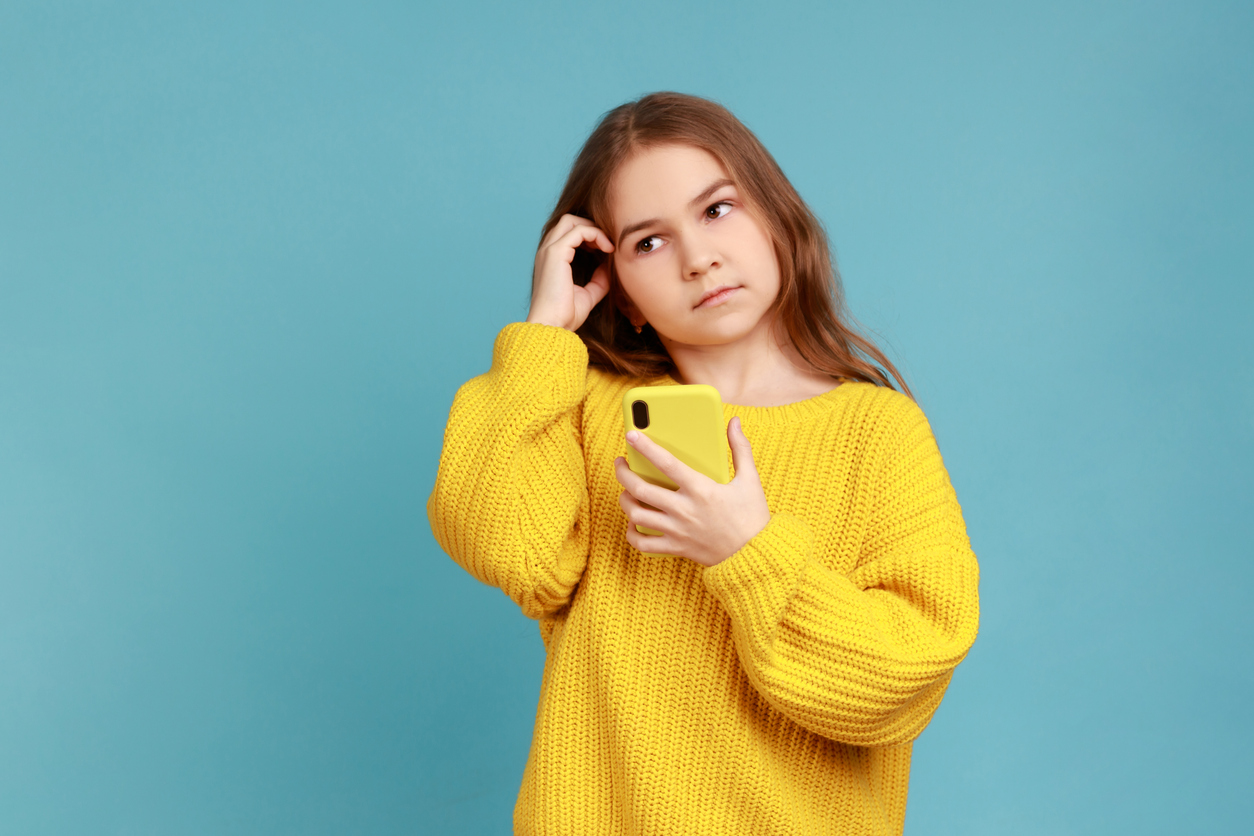
Your belongings and personal matters are just for you, no one is allowed to read your diary, messages or letters, share your secrets or go through your things without your permission. If you have a phone of your own, no one is allowed to read your messages on it.
The right to privacy does not mean that you should keep everything to yourself. Sharing your feelings and thoughts with parents, guardians and friends is a good habit and will make you feel better. However, you decide who you tell and when you talk about your thoughts and feelings.
Your parents should also listen to your views about the kinds of personal pictures or information that are shared with others.